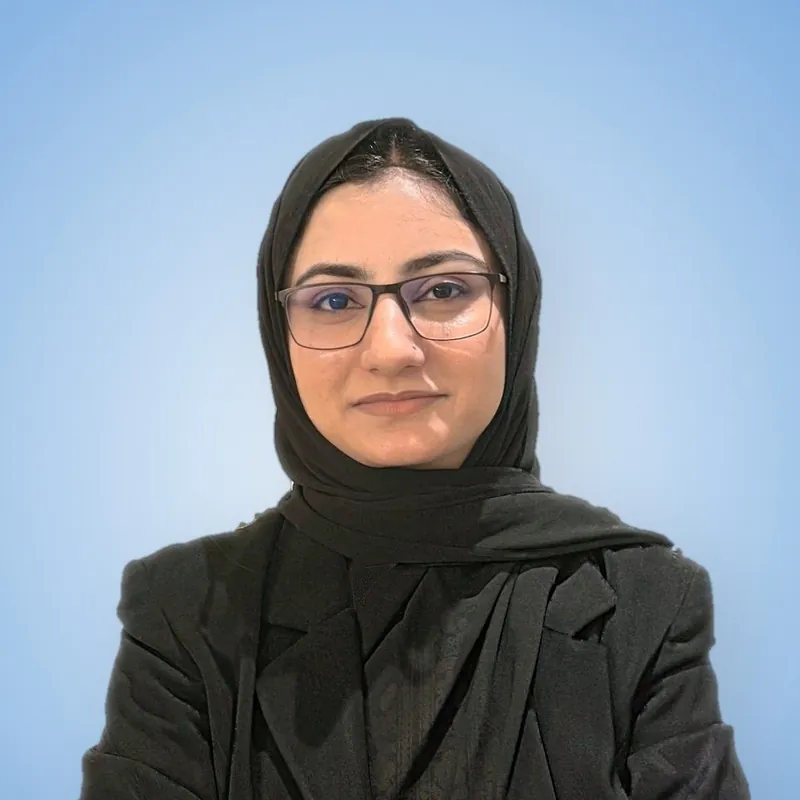
Peter Rota, Senior Technical SEO Manager at HUB International, says a solid SEO foundation covers about 80% of what it takes to show up in AI answers. The other 20% is new work: how AI assistants describe your brand, and the pages SEO used to ignore.
Peter's own site brought him a lead from ChatGPT before he did any AI-specific work. A sound foundation and links earned from LinkedIn did the job.
02
Fewer clicks doesn't mean less value.
His team reports impressions as visibility, still tracks clicks, and keeps conversions as the number that decides success.
03
The last 20% is new work.
Check how AI assistants describe your brand against how customers see it, and give overlooked pages, like support docs, real attention.
04
Put the answer first.
AI systems pull passages, not whole pages. Lead with the answer, add key takeaways at the top, and use lists, tables and clear headings.
05
On a new site, build in this order.
Fundamentals and schema first, then social profiles and third-party mentions, then crawl logs and Search Console.
06
Rankings still beat citations.
Twelve months out, Peter expects rankings to drive more traffic than AI citations, and he rates brand mentions above citations too.
About this episode
IsAIsearchanewjob,ortheoldonerenamed?
In 14 minutes, Noor Khan and Peter Rota take on the question most marketing teams are asking: is AI search a new job, or the old one with a new name? Peter has spent more than 13 years in SEO and recently ran an audit built around AI visibility. His answer sits in the middle, and it comes with a plan.
They cover why Search Console shows impressions rising while clicks fall, how Peter explains that to leadership, how to write pages an AI can lift a clean answer from, and the first three moves he'd make on a brand-new website.
Peter Rota is a Senior Technical SEO Manager at HUB International, with more than 13 years in SEO across local, enterprise and affiliate sites. He writes on LinkedIn about technical SEO, AI search and building a personal brand.
Yes. Peter's first lead from ChatGPT came to a site he had barely touched. It had a basic SEO foundation and links people gave him after his LinkedIn posts, and that was enough. His point: many teams chase complex AI tactics before the basics are in place.
What to do with it: Before paying for AI-specific work, confirm your pages can be crawled, your positioning is clear and consistent, and your schema is in place.
AI Overviews and AI assistants answer many questions on the results page, so people see you without visiting. Peter's team has watched this for about two years. Their insurance glossary pages lost clicks while gaining impressions, and they still count those pages as useful, because someone who sees the brand today can come back later.
What to do with it: Report impressions as visibility next to clicks, and keep conversions as the goal, so a drop in clicks is read in context.
Both, in Peter's view. He used to say good SEO is good GEO, until an audit focused on AI visibility showed him gaps an SEO wouldn't look for: the difference between how customers see a brand and how AI assistants describe it, and pages such as support docs that SEO tends to rank low. Some sites rank well on Google and still don't appear in AI answers.
What to do with it: Ask ChatGPT, Perplexity and Gemini to describe your company and your competitors. Wrong or thin answers show you where the work is.
How should content be structured so AI can use it?
Put the most important information at the top, in the inverted-pyramid style, with no slow introduction. Then use semantic HTML that machines parse easily: lists, tables and a clean heading structure. Peter's company is also preparing a test that serves markdown versions of pages to AI agents.
What to do with it: Rewrite the first one or two sentences under each heading on your key pages so they answer that heading directly.
What does an AI-friendly article look like in practice?
A short key-takeaways list at the top, then the full piece for readers who want depth, held together by strong internal links and clear headings. Peter notes this is how good SEO content was already written; AI search has made it matter more. This page follows the same structure.
Peter would spend the first effort in three steps, in this order:
1Fundamentals: optimized core pages (services, about, contact), strong internal links, JSON-LD schema, and crawl access for both Google and AI crawlers.
2Third-party presence: social profiles and any credible site that talks about you, because AI assistants pull heavily from third-party sources.
3Crawl data: crawl logs and Google Search Console, to see how bots actually move through the site and what's broken.
Consistency. Peter has never claimed to be the smartest SEO; he shows up every day and keeps learning. SEO rewards repeating the work over months, not a burst of effort followed by giving up.
Rankings or citations: which will matter more in 12 months?
Rankings. Peter expects them to keep driving more traffic than AI citations, and he rates brand mentions as more useful than citations. For anyone overwhelmed, his advice is to build the fundamentals, then test, and to check whether the person giving advice online is trying to help you or to sell you a course.
In Peter's words
Thelinesworthkeeping.
If you have a basic foundation of SEO, you're going to get 80% of the way there.
From YouTube's captions, lightly edited for reading: filler words removed and names corrected, with the meaning unchanged. Press a time to play that moment.
Welcome in. I'm Noor Khan. I work in semantic SEO and AI search. If it's felt like the ground is shifting under this industry lately, you are not imagining it. Most of the conversation about it is either hype or panic, so I wanted to sit down with the people who are actually doing the work and talk about what's really going on.
Today I'm with Peter Rota: 14 years in SEO, he's running technical SEO for a billion-dollar enterprise, and he's one of the most followed SEO voices on LinkedIn. Peter, good to have you.
Right now, what's given me the most energy is becoming a better marketer, because I feel like GEO and AEO are rewarding people who are actually building a brand, understanding their customers and things like that. So I think that's what's most exciting. Even just posting on LinkedIn has made me realize the importance of building a brand, storytelling and copywriting. Those are the things I'm most excited about these days.
I have to start here, because this stuck in my mind: you posted that you never optimized your site for ChatGPT, and then it gave you your first lead. What do you make of that?
I think it's the reality that if you have a basic foundation of SEO, you're going to get 80% of the way there to optimizing for LLMs and things like that. But obviously there's also building a brand presence and consistency of messaging. If you're doing good SEO, you're ideally hitting most of those things. There's obviously stuff you can do in addition to SEO, but I just found it funny that I didn't go out of my way. I'd barely touched the site beyond getting some links, from LinkedIn posts or people who wanted to link to me. It's funny how people over-obsess about all these crazy things you need to do, and then here's a site I haven't touched, and it's showing up in LLMs.
Something everyone is dealing with: they open Search Console and see impressions going up or holding steady while clicks go down. Is that the pattern you're seeing too?
Yeah. That's probably been going on for us for a year and a half, two years, since they started introducing AI Overviews and then obviously LLMs. What we're communicating to leadership is that we've always focused on conversions, and we're trying to focus on that a bit more. We're still reporting clicks, but we're also showcasing impressions as visibility, because just because someone sees you and doesn't click, at a later date they could come back. Everything's important, but we're not saying clicks are the be-all and end-all. If our clicks are going down, it's not great, but it's not the end of the world it's been portrayed to be.
Yeah, that's the nature of some of our content that has lost clicks, like a lot of our insurance glossary content. We've been going down in clicks, but our impressions are going up. So every piece of content does serve a purpose, even if it doesn't mean someone clicks through to your website and converts.
So let's do the argument everyone is having: SEO, AEO, LLMO, a new acronym for everyone. Some people say it's a new discipline, and some say it's an SEO rebrand. What do you think?
I definitely have an opinion on it, but mine has changed over time. Initially I was basically saying good SEO is good GEO. But as I did an audit for a client focusing on GEO and AEO, I felt there were things I wouldn't have thought about as an SEO, especially the perception of a brand: what a customer thinks versus what LLMs think. And even pages we don't see as important in SEO, not an FAQ page, but things like support docs. That's not super important for SEO, but we can see that people want that kind of content. And there are sites that do well in SEO, but then they don't always show up in LLMs. So I think it's definitely a different discipline, but like I said before, you're going to get 80% of the way there with good SEO, good technical SEO and things like that.
Something that changed how I think about content: AI doesn't read content from top to bottom. It pulls chunks, and if a well-written piece buries its answer, that answer won't be used. How do you structure things for that?
I've structured it pretty similarly to SEO, but it's been given more importance. They talk about the inverted pyramid: you put your most important content higher on the page and get right to the valuable content, instead of building up to it with a fluffy intro and all this other stuff. Something that's always been important for SEO and LLMs is semantic HTML: making sure you're using bullets, unordered lists, tables and things like that. You've done it for SEO, but it also makes it easier for LLMs to extract the content. We're running some tests right now at my company: we're about to test serving markdown files to agents. So it's a lot of fundamentals, and getting your most important content in early, instead of burying it in the middle of the page like people were doing five years ago.
It's similar to what I was saying, but another thing I've done is put key takeaways at the top. That lists the most important things, because it's important for LLMs to get the most information fast, and if someone still wants to read the content, they can. It's how I've always structured traditional content anyway, so I'm not making a significant change, just breaking it up so it reads well: strong internal linking, good header structure, things like that. The discipline is still pretty new, and as people get more data on what does and doesn't work, we might change how we do things. But for now I've done it much like we've done our SEO content.
I want to make it practical for a minute. People listening need to figure out where to put their effort first. If I handed you a new website, with one person helping you, and the site had no history and no content, what are the first three things you'd do?
Definitely go back to the strong foundations of SEO. Do the fundamentals: make sure the content's optimized, strong internal linking, building out the content that matters to your audience, like your services or solutions, an about us page, contact us. Implement JSON-LD schema and things like that, and make sure both LLMs and Google can crawl the site. Once you've done a strong job on-page, start creating those social profiles, and look for anywhere that's beneficial as third-party information, which LLMs will pull. Once you've done that, start to look at your crawl logs and Google Search Console to better understand how they're crawling your website and whether there are issues. Those are the most impactful, at least out of the gate.
That's a great question. The thing that's been most impactful in my career: I've never said I'm the smartest SEO, but I always show up each day and I try to learn as much as I can, and just be really consistent. Consistency is important in SEO, because you need to do something over and over to have success, versus putting all this effort in at the start, getting tired and giving up. So it's been my desire to keep working as hard as I can, being consistent and learning as much as I can, honestly.
I'd probably say rankings. Citations are important, but I would honestly put mentions higher as being impactful. So I'd say rankings, because rankings are probably going to drive more traffic to your website than citations.
It's a great question. I think it's going back to building up those fundamentals first. Once you have that, it's largely experimentation and testing things. And when you see things on LinkedIn or Facebook, try to understand whether the person is actually doing something to benefit themselves or to benefit you, because a lot of people share things to push people to courses or to create rage bait. You really need to understand the intent, the authenticity, and whether someone is actually qualified to say it.
Hope that was helpful. Send it to someone who'd like it, and I'll see you next time.
FAQ
Aboutthisepisode,answered
Something else on your mind? Email grow@noorscale.com and a person will reply within one business day.
What is this episode about?
Noor Khan and Peter Rota, Senior Technical SEO Manager at HUB International, discuss what changes when AI answers search queries: whether GEO is a new discipline, why clicks fall while impressions rise, how to structure content for AI extraction, and what to do first on a new website. The episode runs 14 minutes.
Is GEO just SEO with a new name?
No, but the two overlap heavily. Peter Rota says strong SEO and technical SEO cover about 80% of what it takes to appear in AI answers. GEO adds work SEO rarely covers, such as checking how AI assistants describe a brand and improving pages like support docs.
Why do clicks fall while impressions rise?
AI Overviews and AI assistants answer many questions directly on the results page, so people see a brand without clicking through. Peter's team reports impressions as visibility alongside clicks, and keeps conversions as the main goal.
How do you write content that AI assistants can quote?
Lead with the answer. Put key takeaways at the top, answer each heading in its first sentence, and use lists, tables and clear headings, because AI systems extract passages rather than reading whole pages.
What should a new website do first for AI search?
Peter Rota recommends three steps in order: build the SEO fundamentals (core pages, internal links, JSON-LD schema and crawl access), then create social profiles and third-party mentions, then study crawl logs and Google Search Console.
Do rankings or AI citations matter more?
Rankings, according to Peter Rota. Looking 12 months ahead, he expects rankings to drive more traffic than citations, and he rates brand mentions above citations too.
Where can I get Peter Rota's SEO audit template?
It's free as a Google Sheet. The link is in the resources section of this page.
Watch on YouTube.
Every episode is on Noor's YouTube channel and here, with chapters, takeaways and the full transcript.